 and our new web domain is Circular.nyc



Retrofitting Educational Spaces In New York City: Challenges and Opportunities
2026.04.06
 Share
Share
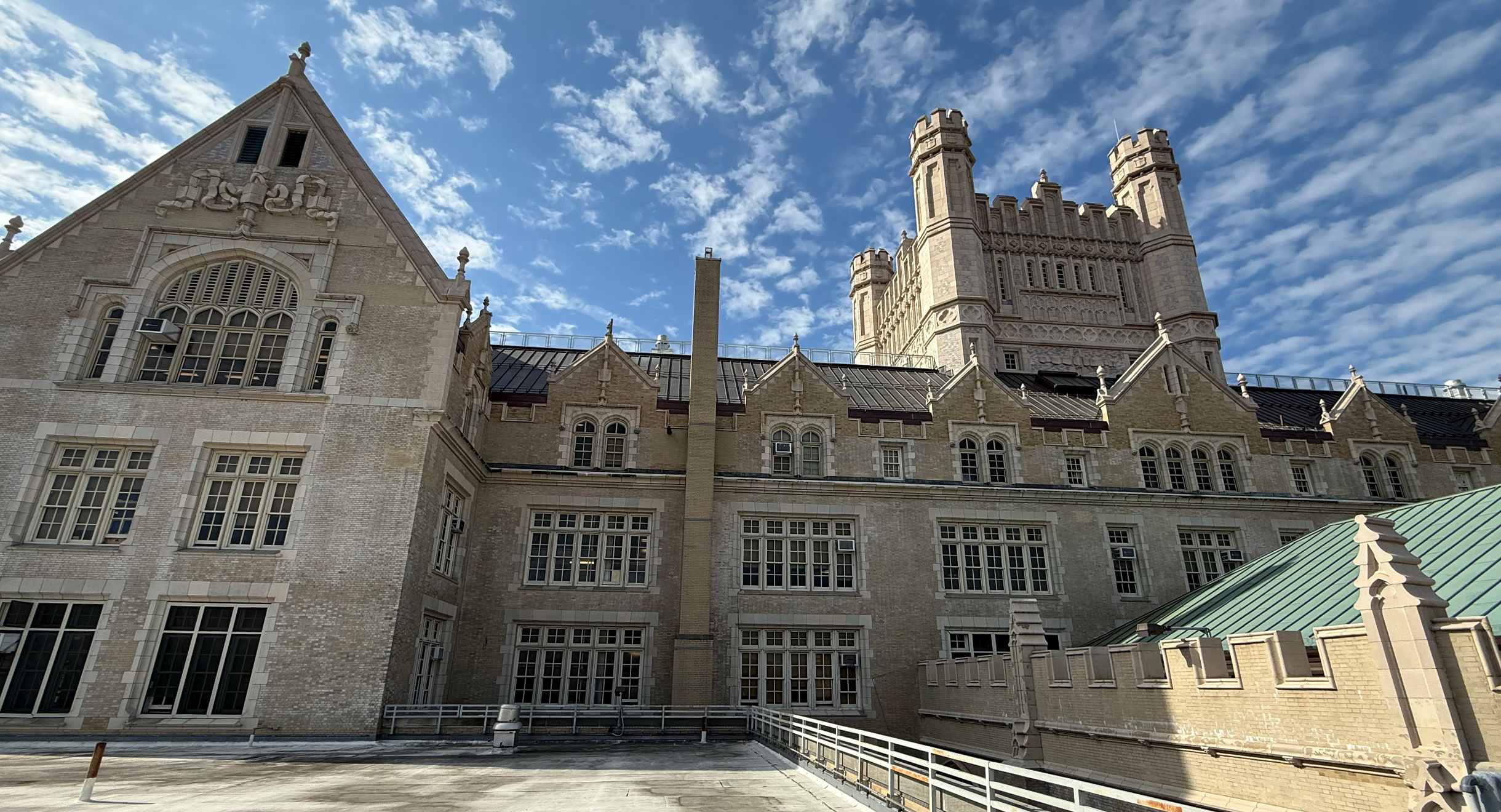
Why Retrofit Now?
New York City’s educational landscape is shaped by a vast inventory of existing school buildings, many of them decades old, structurally sound, and deeply embedded in the city’s architectural and cultural fabric. As educational needs evolve and performance standards become more rigorous, these buildings must adapt.
Retrofitting offers a strategic path forward. Compared to ground-up construction, it can reduce cost, save time, and minimize waste, while preserving the continuity and character that make existing educational spaces valuable to their communities.
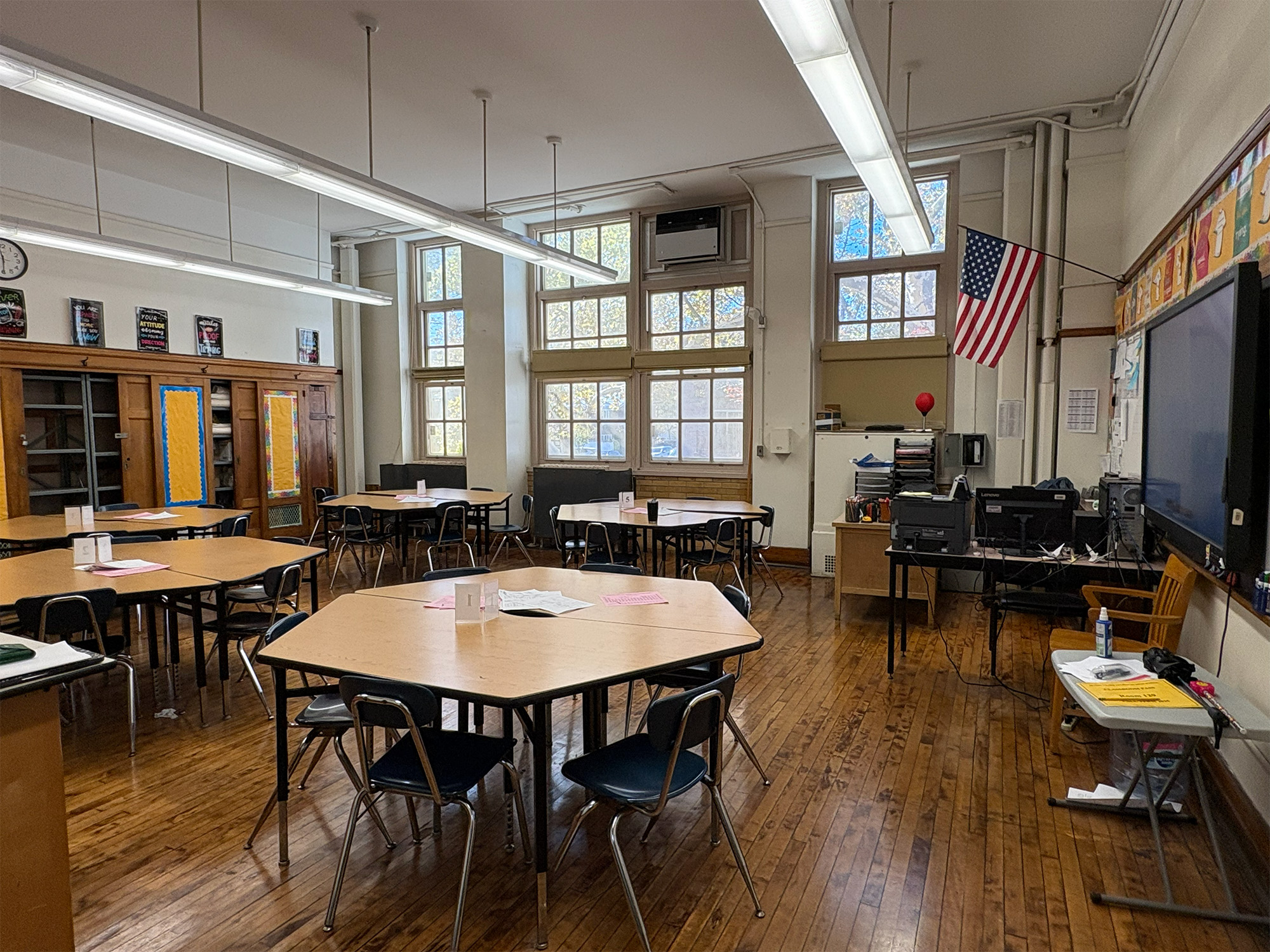
As educational needs evolve and performance standards become more rigorous, these buildings must adapt.
What Is Driving the Need for Retrofit?
Today’s schools must support collaboration, flexibility, and technology-rich learning, goals that often sit uneasily within traditional classroom layouts. At the same time, standards for indoor air quality, energy performance, and accessibility have advanced, creating a clear need for targeted upgrades that make spaces healthier, more inclusive, and better aligned with current expectations.
Operational shifts also play a role. Changes in class size, programming, and support services require schools to reconfigure existing space and create new environments that respond to evolving educational models.
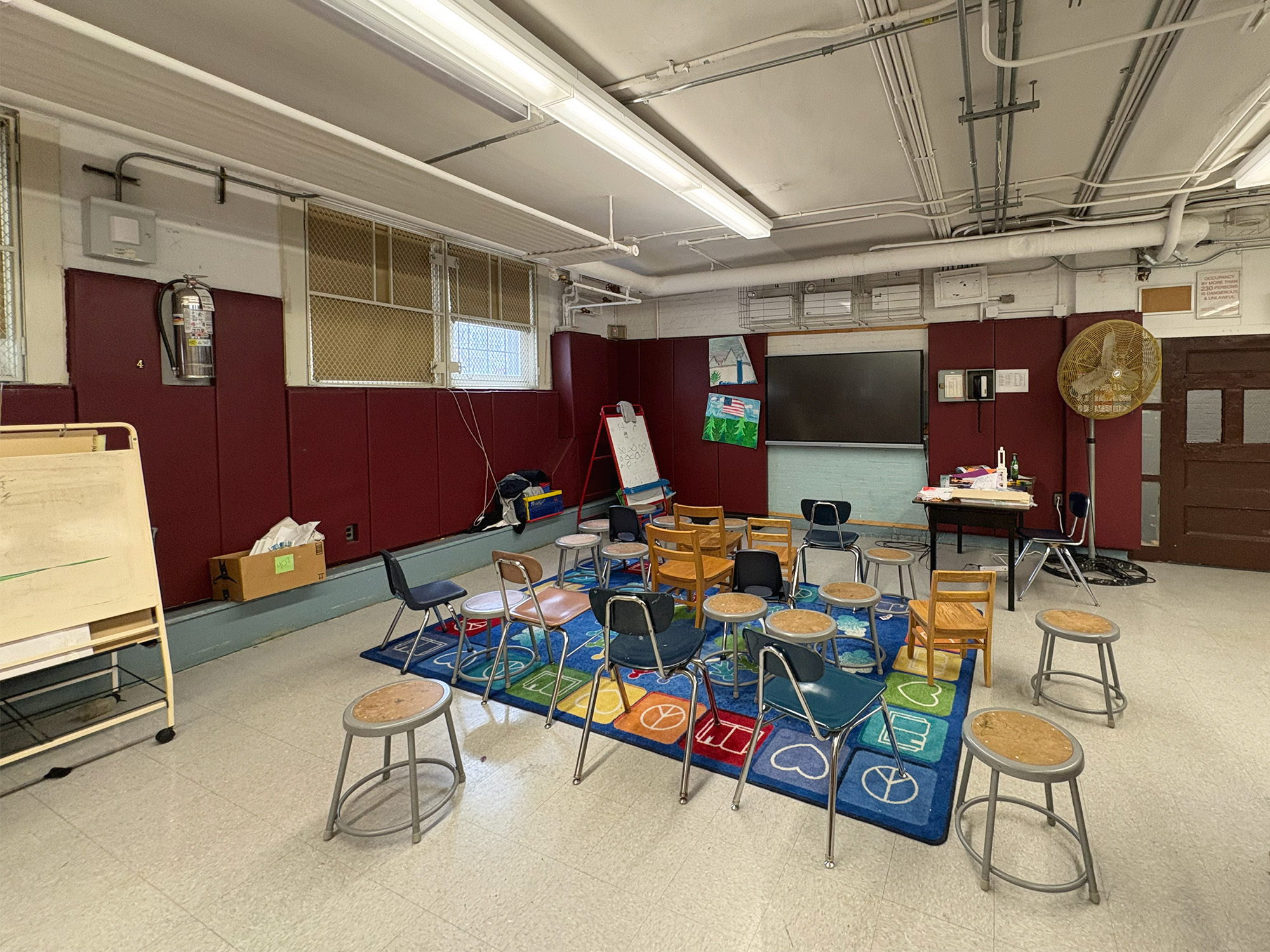
Today’s schools must support collaboration, flexibility, and technology-rich learning
Meeting Challenges with Design Intelligence
Retrofitting educational facilities in New York City presents a distinct set of challenges. Aging buildings often conceal structural or infrastructure issues that only become visible during construction, introducing uncertainty in both cost and schedule. Projects must also move through a complex regulatory landscape shaped by multiple agencies, layered approvals, and stringent compliance requirements. In many cases, the work takes place within occupied school buildings, requiring thoughtful phasing, close collaboration with school stakeholders, and precise scheduling to minimize disruption to students, faculty, and staff. Addressing these conditions successfully calls for careful planning, thorough investigation, technical fluency, and the ability to adapt as conditions unfold.
With the right expertise, these constraints can become design opportunities. A well-managed retrofit can improve performance, support school operations, and lay the groundwork for learning environments that are more resilient, responsive, and effective.
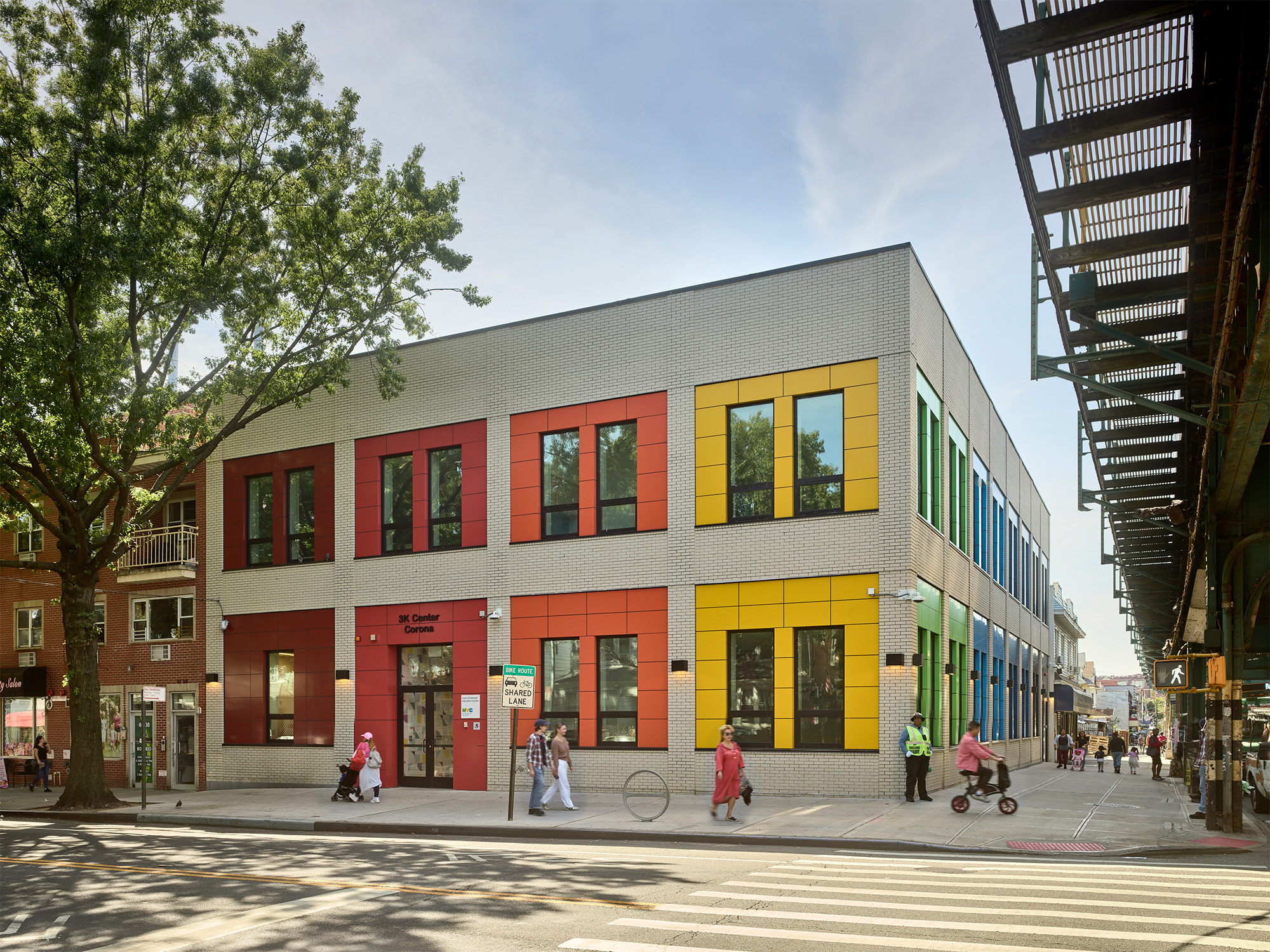
A well-managed retrofit can improve performance, support school operations, and lay the groundwork for learning environments that are more resilient, responsive, and effective.
Opportunities in Retrofit
When approached thoughtfully, retrofit projects can deliver significant value. Upgrades to building systems can improve indoor air quality, thermal comfort, and energy efficiency while lowering long-term operating costs, supporting healthier and more comfortable spaces for learning and teaching. Existing buildings also often bring architectural qualities worth preserving, from generous ceiling heights to natural light and durable materials. Reinterpreting these elements within an updated design can create spaces that feel both contemporary and grounded in place.
Retrofit also creates opportunities for smarter material decisions. Durable, low-impact materials can reduce maintenance, support occupant health, and contribute to a more engaging and welcoming interior environment. Guided by experience, these opportunities can be translated into learning spaces that feel cohesive, adaptable, and built for long-term use.
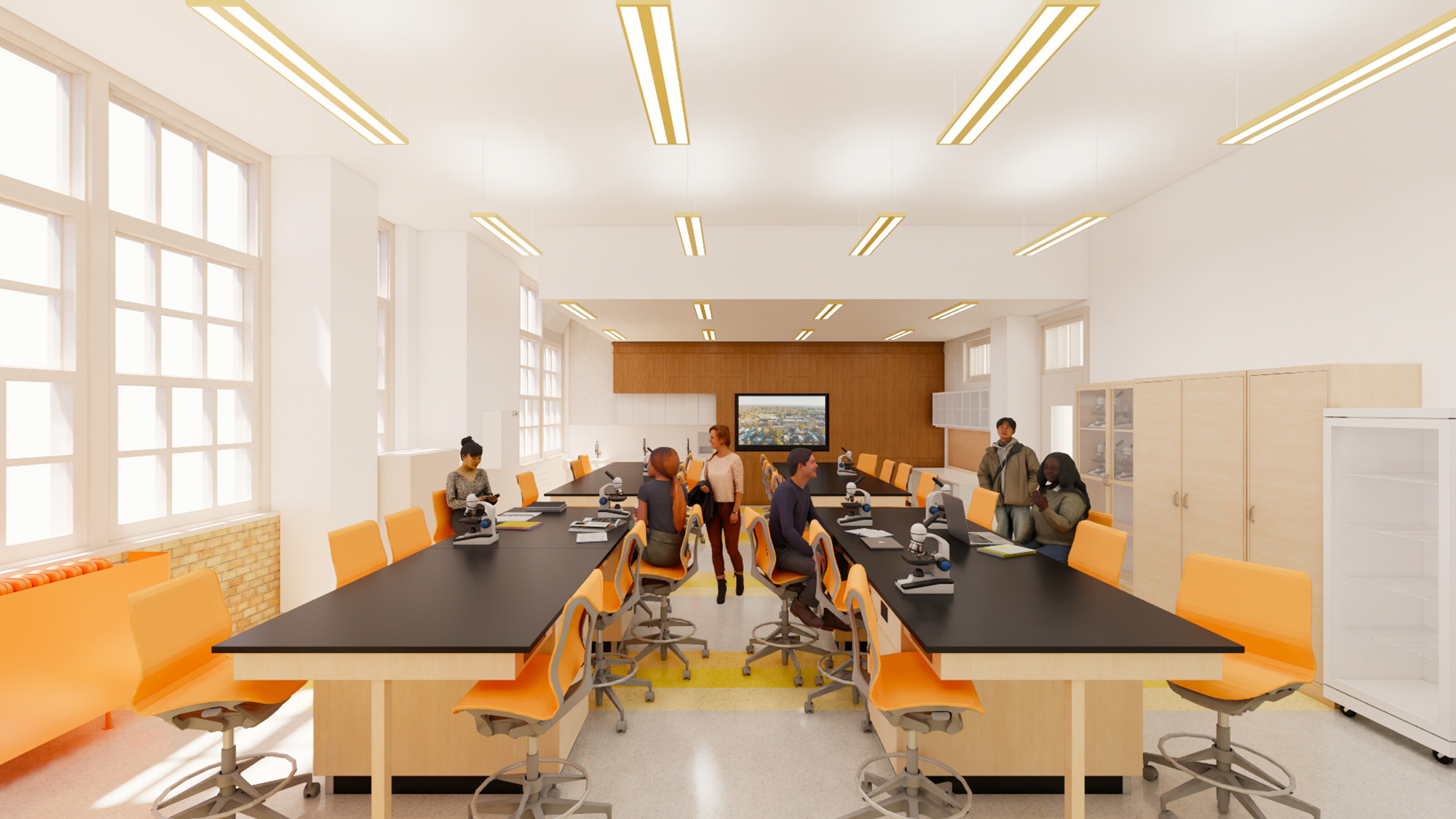
Durable, low-impact materials can reduce maintenance, support occupant health, and contribute to a more engaging and welcoming interior environment
Unlocking Value Through Expertise
Retrofitting educational space in New York City requires balancing design ambition with technical, regulatory, and operational realities. With the right expertise, those realities become opportunities.
At Circular, we approach retrofit as a way to align performance, adaptability, and design quality, delivering learning environments that are efficient, inclusive, and built to serve communities for the long term.
Share


